Updates, Finance, Money
Finangl passes 5,000 users
Seven months after the first training camps for workers, Finangl has more than 5,000 registered users. Here is what we learned on the way.
By the OrzyneX team, October 2026
Finangl began with something Hrithik kept noticing: domestic workers and other blue-collar workers waiting in long queues at exchange houses to send money home, often losing part of every transfer to fees and weak rates. When a member of his own family was turned down for a loan despite years of steady income, the gap between how reliably people manage money and how the financial system sees them became personal.
He started working with employers and their labour camps to build something that would help: an app to improve financial literacy, cut what workers lose on remittances and build smarter money habits. In March 2026, he took an early test version, shared as an Android APK, to training camps for workers, walked them through it in small groups and changed it based on what they told him. Finangl was released publicly on Google Play in August.
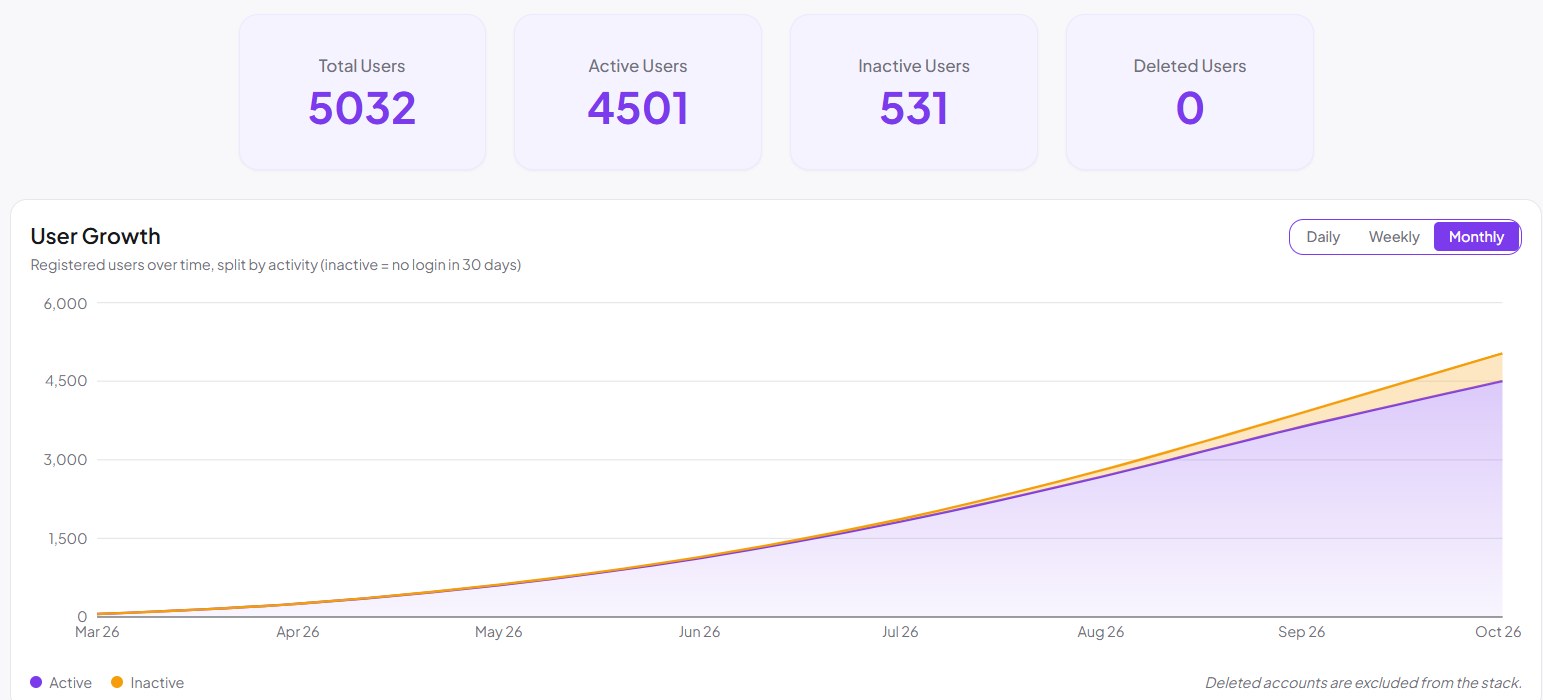
This month, Finangl passed 5,000 registered users.
What the numbers say
More than 5,000 people have joined Finangl, and more than 4,500 of them have used it in the last 30 days, about nine in ten. Together, Finangl users are now tracking more than AED 25,000 in savings.
Growth has been steady rather than sudden, and most of it has come since the public release. For an app built for people who are often wary of financial products, the share who keep coming back matters to us more than the total.
What brought people in
Employers. Our partner employers brought Finangl into the training camps they already run for their workers, and one now shows it to every new joiner as part of its worker welfare programme.
Workers telling each other. Many users heard about Finangl from a colleague. Workers talk to one another about how they send money home, and that has helped the app spread.
Short lessons that feel like a game. Bite-sized lessons on spending, saving, borrowing and credit, each ending with a quiz, with XP and streaks to keep people going.
What we learned
Finangl began with a simple question to workers: what do you pay to send money home? Building around their answers, rather than our assumptions, shaped almost every feature, from the side-by-side remittance comparison to a loan calculator that shows the total cost of borrowing, not only the monthly payment.
We also learned that trust comes from being plain. We explain what Finangl can and cannot do, and Finangl will never ask for a bank login, password, PIN or OTP.
What’s next
Finangl for iPhone is now in beta. You can request an invitation on the Finangl page. More lessons are on the way, and we are continuing the research behind behaviour-based alternative credit scoring, so that the everyday reliability of people the credit system cannot see can count towards fair credit.
Thank you to every worker who tried the early version and told us what to fix, and to the employers and partners who made room for Finangl in their programmes.